

How to Get Beautiful Photos: 7 Micro Wedding Photography Tips
The best micro wedding photography tips have very little to do with knowing how to pose. Beautiful photographs begin with the way you plan and experience your celebration: choosing somewhere meaningful, allowing enough time and giving yourselves permission to be fully present.
After photographing more than 300 weddings, I have learnt that the strongest images rarely come from trying to make every moment look perfect. They come from real interactions—a nervous laugh before the ceremony, your parents pulling you into a hug or the two of you taking a quiet breath once the formalities are over.
That is one of the reasons micro weddings photograph so beautifully. With fewer expectations and fewer moving parts, there is more space for the moments that actually matter.
If you are still deciding what kind of intimate celebration feels right, begin with What Is a Micro Wedding? Meaning, Guest Size & Ideas.
What Makes a Micro Wedding Photograph Beautifully?
Beautiful micro wedding photos are created through three things:
- A setting that feels connected to your story
- A timeline with enough space for real moments to unfold
- The freedom to focus on each other instead of performing for the camera
Your photographer’s experience and creative eye still matter, of course. But even the best photographer cannot manufacture genuine emotion. The more your wedding feels like you, the more naturally your photographs will reflect your relationship.
Here are seven micro wedding photography tips that will help you create images that feel relaxed, personal and full of life.
1. Choose a Ceremony Location That Fits Your Story
Your ceremony location becomes the setting for some of the most important photographs you will ever have. It does not need to be grand or expensive, but it should feel intentional.
That might mean:
- A small chapel surrounded by forest
- A quiet Perth beach where you often walk together
- A private garden with your closest family
- A favourite restaurant with space for a simple ceremony
- The Perth Registry Office followed by portraits somewhere nearby
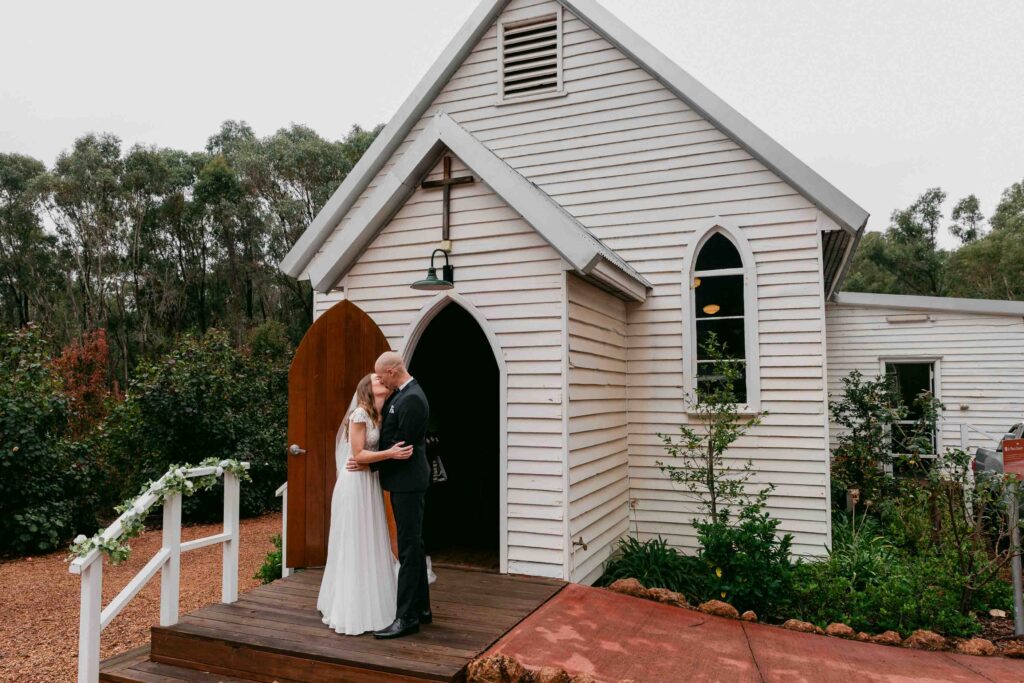
The Perth Registry Office can be a practical choice for a small weekday ceremony, while places such as Kings Park offer garden settings and city views for couples wanting an outdoor celebration.
Think about more than how a location looks online. Consider the light, privacy, wind, accessibility and how easily everyone can move from the ceremony to the next part of the day. A beautiful backdrop loses some of its charm when you spend the whole ceremony watching strangers wander through it.
If you plan to marry or have portraits within a WA national park, photography or location approvals may be required. Your photographer should help you check the relevant DBCA filming and photography requirements during the planning process.
The best location is not necessarily the most impressive one. It is the place where you can relax, connect and recognise yourselves in the photographs.
2. Plan Around the Experience—and the Light
Good light can elevate a photograph, but your entire wedding should not feel like it has been organised for the sun.
The goal is to balance beautiful light with a timeline that feels comfortable. For an outdoor ceremony, the middle of a Perth summer afternoon can bring strong overhead light, deep shadows and plenty of heat. Later afternoon light is often softer, cooler and more flattering.
That does not mean every micro wedding needs a sunset ceremony. Indoor spaces, shaded gardens and city locations can photograph beautifully at different times of day. Your photographer can look at the direction of the light, the season and the surrounding buildings or landscape before helping you choose the best time.
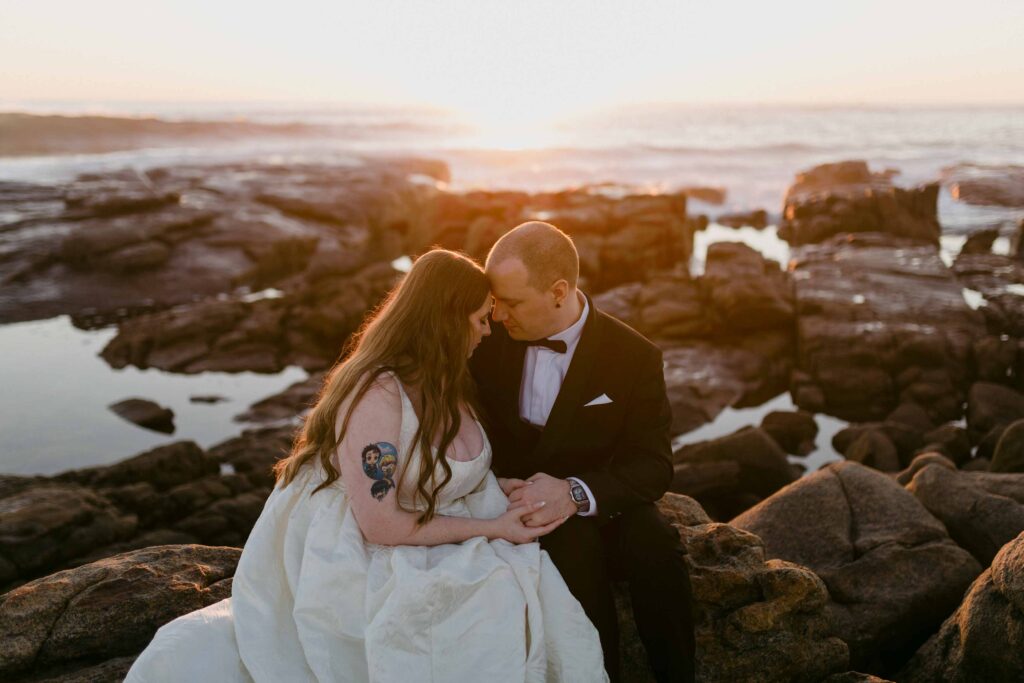
If sunset portraits matter to you, allow a short window to step away together rather than scheduling a long photoshoot. Ten relaxed minutes in beautiful light can produce more meaningful photographs than an hour of rushed posing.
3. Give Yourselves Enough Time to Slow Down
One of the biggest reasons micro weddings can feel—and photograph—so beautifully is that they do not need to be rushed.
Leave time to celebrate after the ceremony. Share a drink with your family. Let everyone congratulate you without immediately being called into a group photograph. Take a walk together before heading to lunch.
Those in-between moments often become the images couples value most because they show how the wedding actually felt.
Small buffers also protect the experience when something runs late. If the ceremony starts 15 minutes behind schedule, you should not have to choose between family photographs and enjoying a quiet moment together.
When planning your coverage, think about the story you want photographed rather than choosing hours in isolation:
- One hour can suit a short ceremony, congratulations, group photographs and a few portraits at the same location.
- Around 90 minutes to two hours creates room for the ceremony, family photographs and a nearby portrait location.
- Around three hours can include the ceremony, relaxed family time, portraits and the beginning of lunch or drinks.
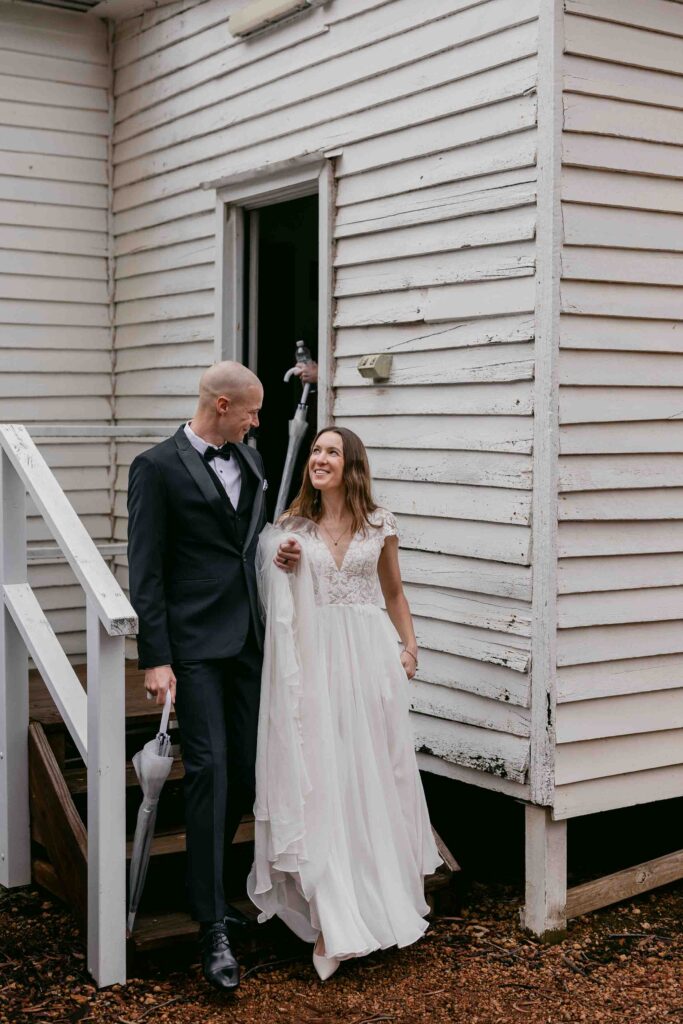
The right amount of coverage is the amount that lets your day breathe.
4. Create Meaningful Moments, Not a List of Photographs
It is helpful to tell your photographer about the people and details that matter to you. But a long list of recreated poses can pull you away from the celebration you planned.
Instead of asking, “What photographs do we need?”, try asking, “What do we want to experience?”
You might:
- Read private vows before the ceremony
- Share a first look somewhere quiet
- Open letters from each other
- Toast with your family after signing the documents
- Walk to your favourite bar or restaurant
- Make time for a few minutes alone as newlyweds
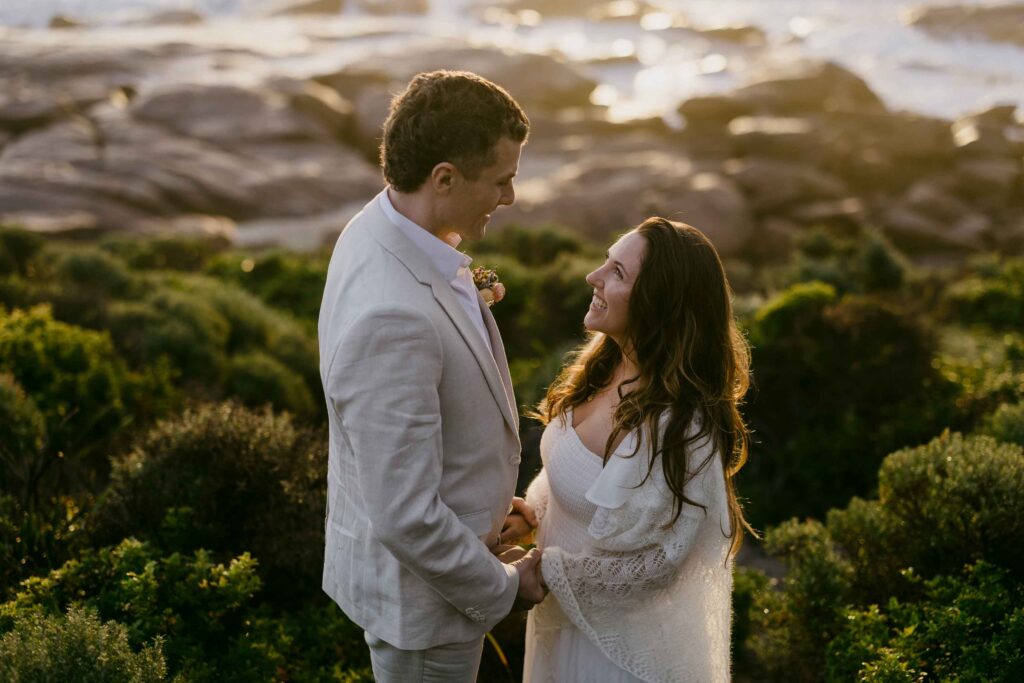
These are not activities staged purely for photography. They are meaningful parts of your wedding that naturally give your photographer something honest to document.
The photographs follow the experience—not the other way around.
5. Include the People and Details That Matter Most
Micro weddings give you the freedom to be selective. Every person and detail can carry meaning because there is less pressure to include traditions simply because they are expected.
You could bring:
- A small heirloom from a grandparent
- A handwritten letter
- Jewellery with family significance
- Your favourite bottle of wine
- A cultural or family tradition
- Your dog, if the venue and schedule allow it
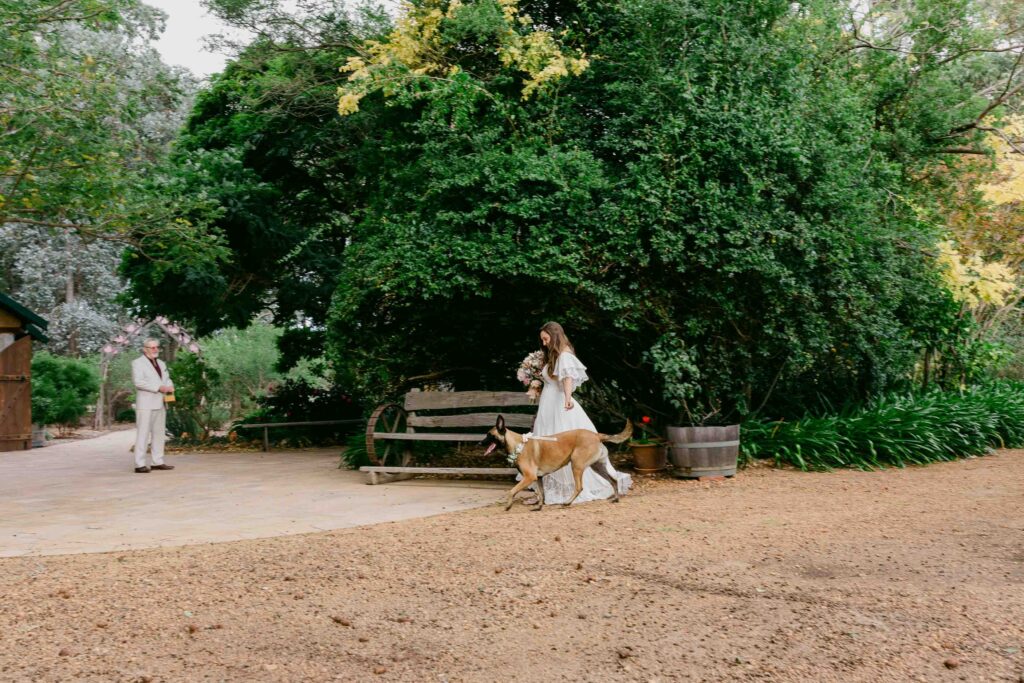
These touches do not need to be expensive or styled to perfection. Their value comes from the story attached to them.
In Hannah and Jake’s relaxed Margaret River elopement, the private chapel, their dogs and portraits among the forest and coastline made the photographs feel connected to the life they share. The locations were beautiful, but the personal meaning gave the story its heart.
6. Trust Your Photographer and Stay Present
One of the most useful micro wedding photography tips is also the simplest: you do not need to manage the photographs on your wedding day.
A photographer who understands intimate weddings will guide you when direction is helpful. They will organise family photographs, find flattering light and gently help when you are unsure what to do. They will also know when to stop directing and allow a real moment to unfold.
Rather than worrying about where to stand or what to do with your hands, bring your attention back to each other. Hold hands. Talk. Walk at your normal pace. Let yourself laugh if something feels funny.
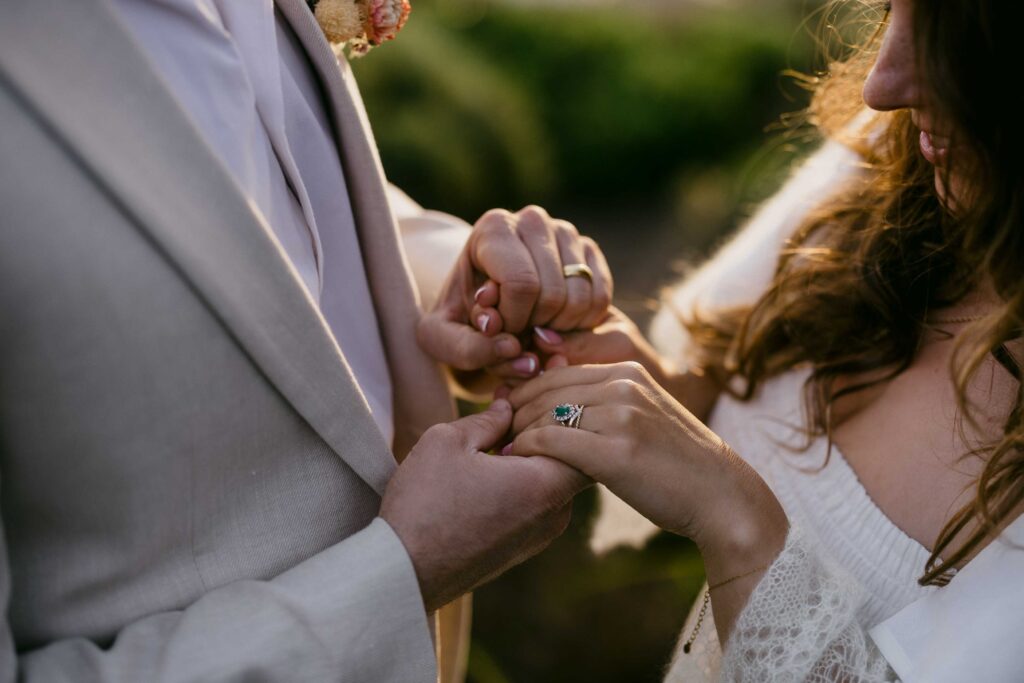
You do not need to perform being in love. You only need enough space to experience it.
If getting-ready photographs are part of your plans, you may also find these wedding photo preparation tips helpful when choosing your room, managing clutter and making the most of natural light.
7. Do Not Chase a Perfect Wedding Day
Some of my favourite wedding photographs happened when something did not go exactly to plan.
A sudden burst of laughter during the vows. Wind lifting a veil. A parent becoming emotional halfway through a sentence. Friends squeezing into a group hug before anyone was ready.
These moments are not flaws in your wedding story. They are the story.
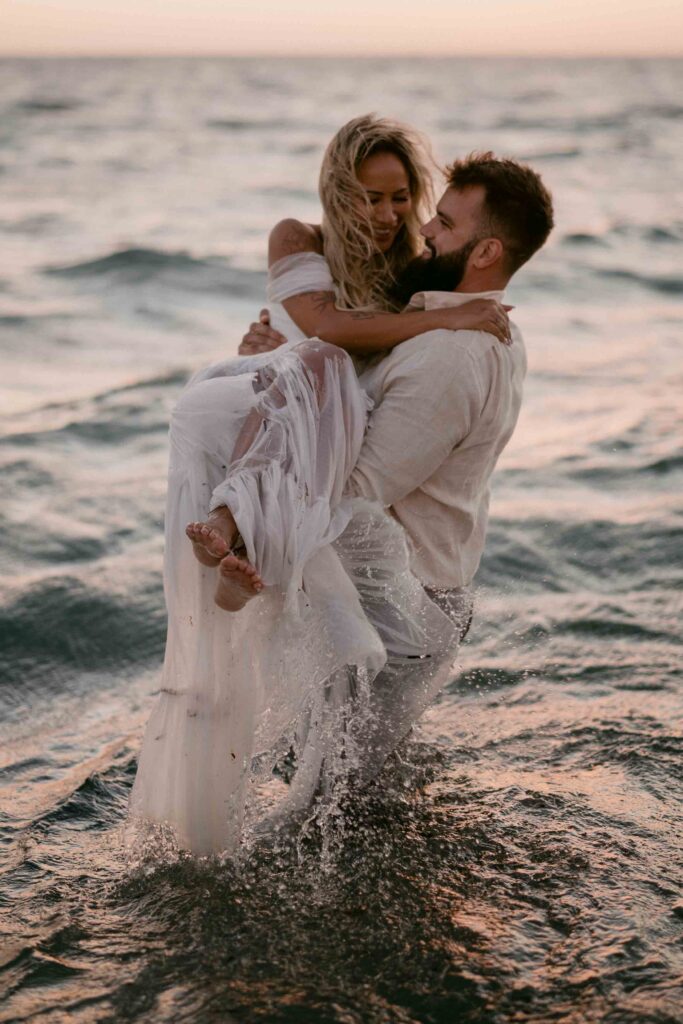
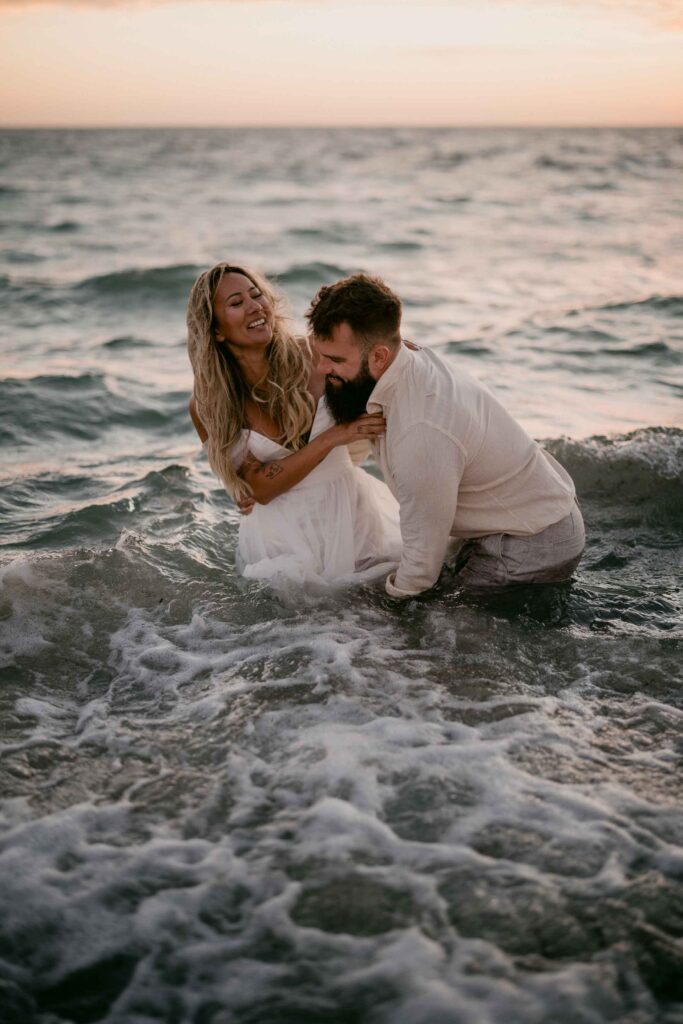
If the weather changes, build flexibility into the plan rather than treating it as a disaster. If someone cries, let the moment happen. If you stumble over a word during your vows, laugh together.
Perfection gives you a polished record. Personality gives you photographs you can feel.
What These Micro Wedding Photography Tips Look Like in Real Life
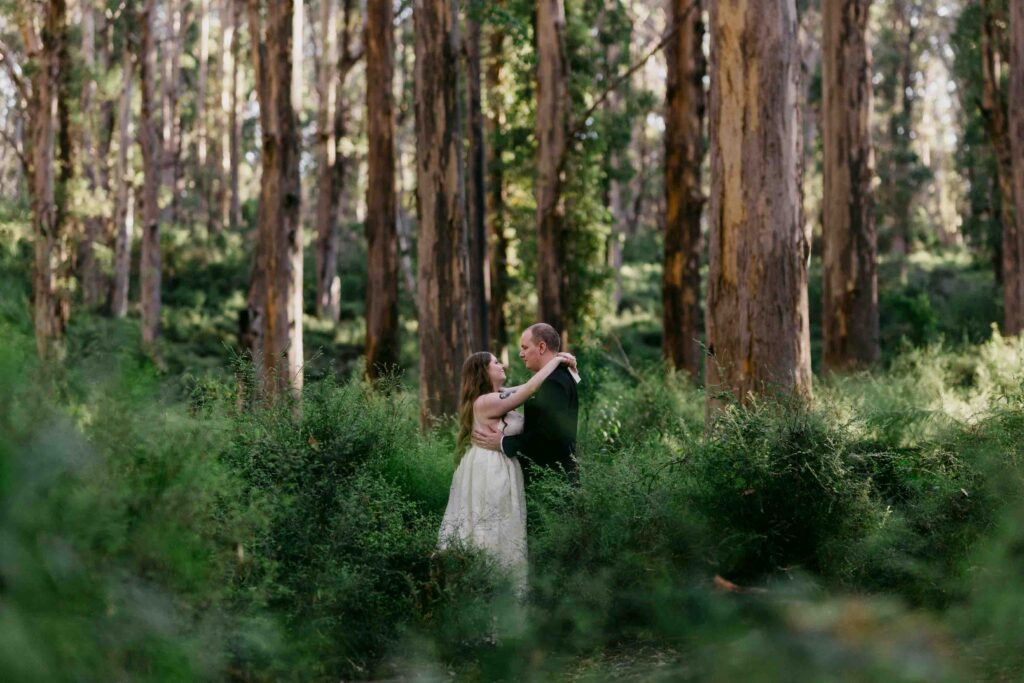
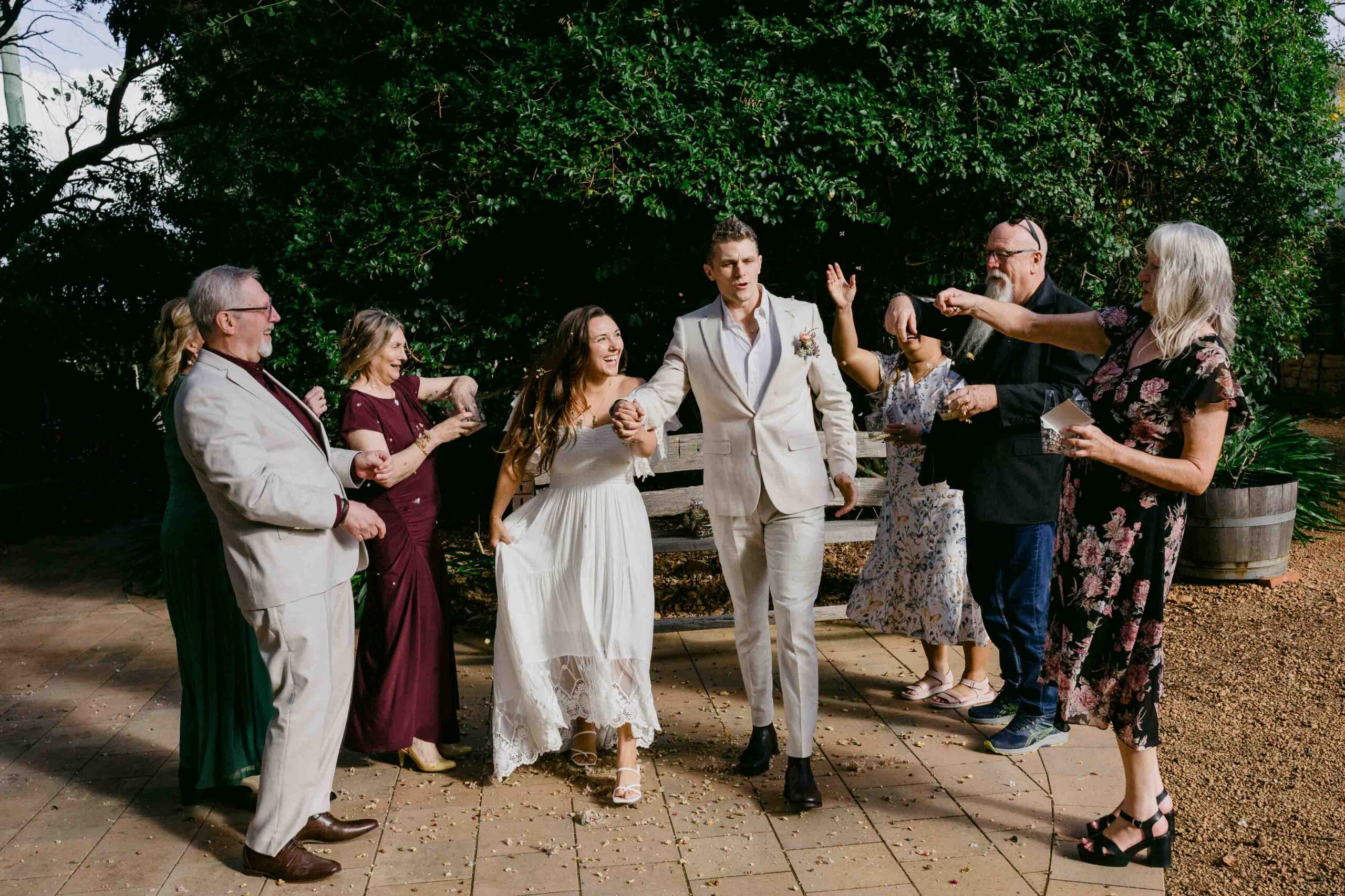
With no audience waiting for them, they could slow down, speak honestly and simply be themselves.
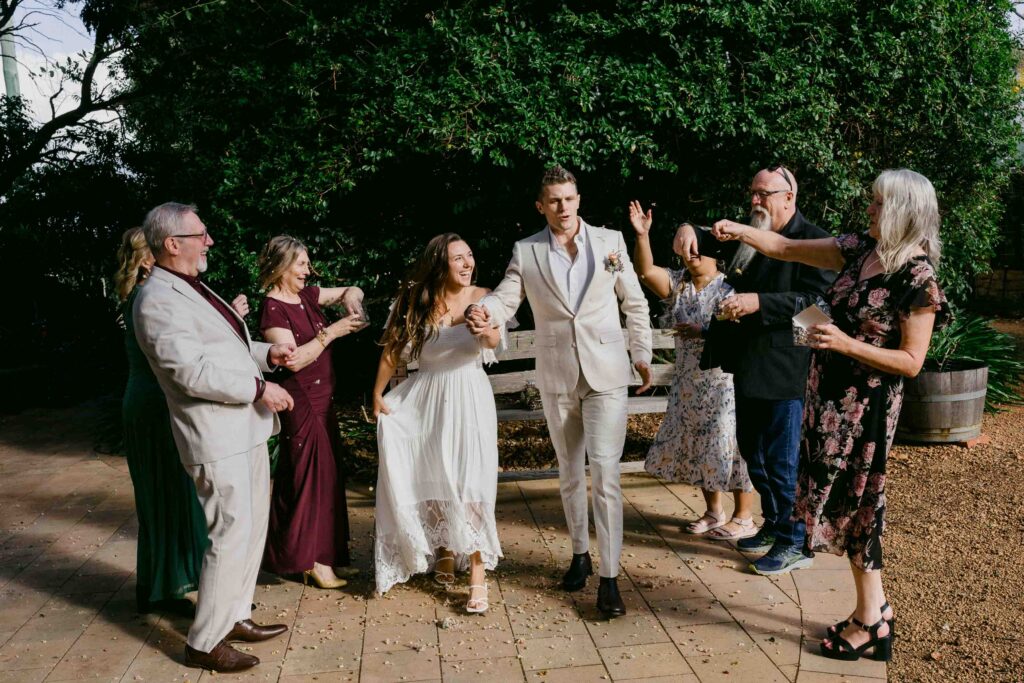
Some of the best photographs happen once the ceremony is over and everyone realises there is nowhere else they need to be.
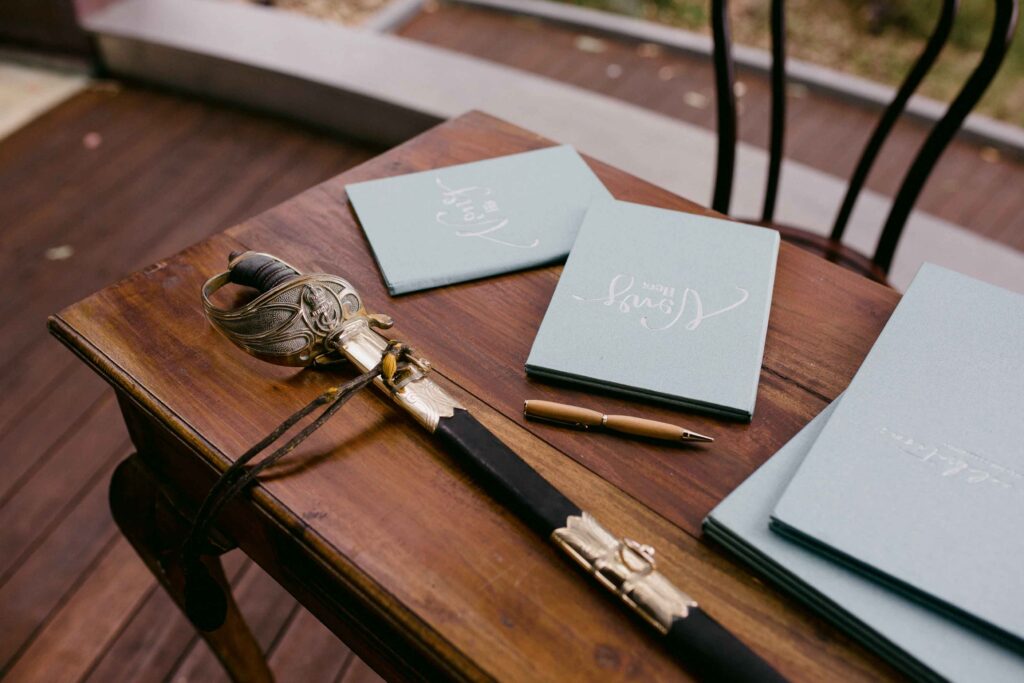
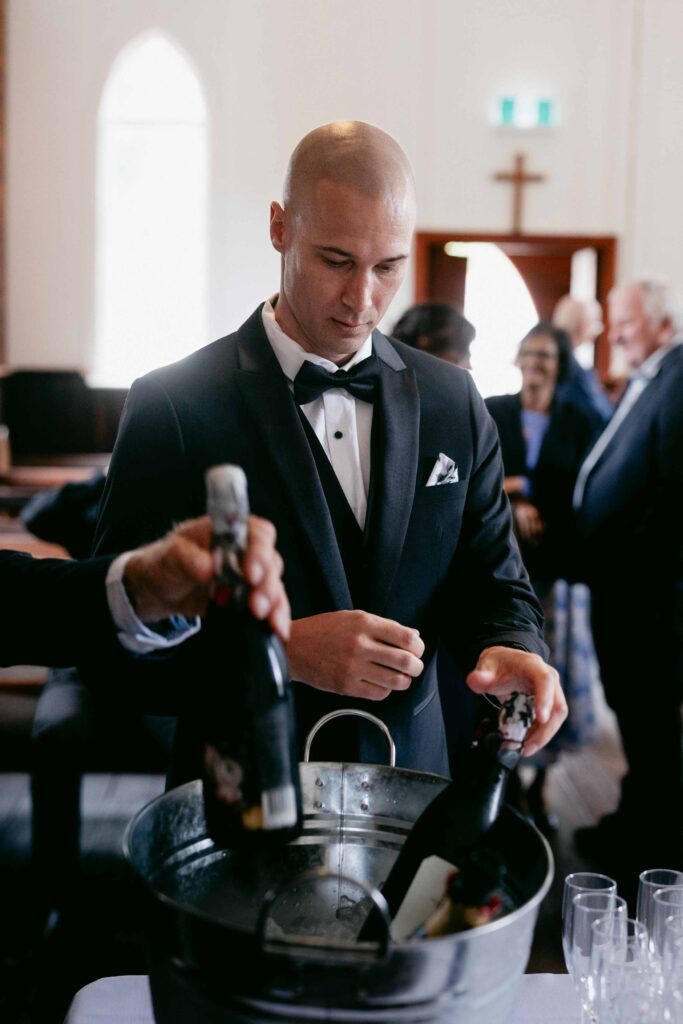
It may be a small detail in the frame, but the family story behind it gives the photograph lasting meaning.

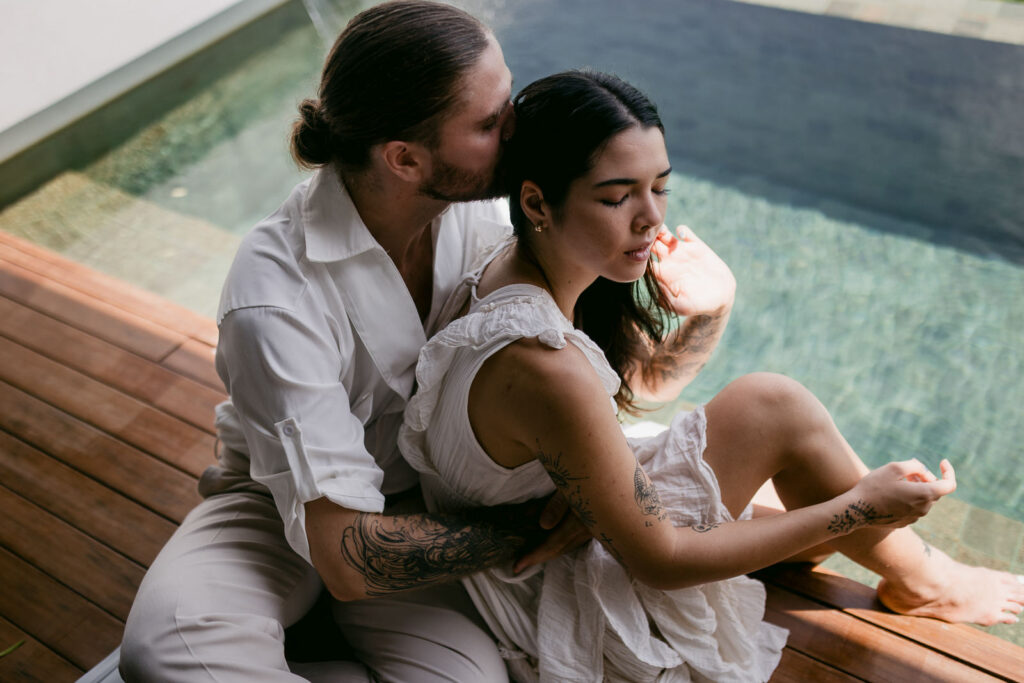
No elaborate pose—just two newlyweds taking a few minutes together before returning to their celebration.
Frequently Asked Questions About Micro Wedding Photography
How many hours of photography do we need for a micro wedding?
For many Perth micro weddings, one to three hours can work beautifully. One hour may cover a simple ceremony and photographs at the same location. Allow 90 minutes to two hours if you would like family photographs and portraits nearby. Around three hours provides more space for the ceremony, congratulations, portraits and part of the celebration.
Do we need a second photographer for a micro wedding?
Usually, one experienced photographer is enough for a small celebration with a simple timeline. A second photographer may be worthwhile if you are getting ready in separate locations, have overlapping events or want both reactions captured during a larger ceremony.
What happens if we feel awkward in photographs?
You do not need any modelling experience. Documentary-style direction is based on movement, conversation and connection rather than holding rigid poses. The right photographer will give you enough guidance to feel comfortable while still making the images feel like you.
Should we take family photographs at a small wedding?
Yes, but keep the list intentional. Write down the essential combinations before the wedding and ask someone who knows both families to help gather people. This allows the photographs to move quickly so everyone can return to celebrating.
What if it rains on our micro wedding day?
Rain does not automatically mean poor photographs. A sheltered backup location, clear umbrellas and a flexible timeline can keep the day relaxed. Your photographer can also help identify covered portrait options before the wedding.
Final Thoughts
Beautiful wedding photographs are not created through perfect posing. They are created through meaningful experiences.
When you choose a ceremony setting you love, allow enough time and focus on celebrating with the people who matter most, your photographs become more than attractive images. They become memories you can still feel years later.
That is ultimately what these micro wedding photography tips are designed to protect: not simply how your wedding looked, but what it was like to be there.
Continue Planning Your Micro Wedding
Begin with my complete guide to planning a micro wedding in Perth, then use the 2.5-hour micro-wedding timeline to understand how your photography coverage could flow. Before confirming the day, review these common micro-wedding planning mistakes.
These guides will help you take the next step:
- What Is a Micro Wedding? Meaning, Guest Size & Ideas
- Micro Wedding vs Elopement Perth: How to Choose
- Wedding Photo Preparation Tips
- Real Margaret River Elopement: Hannah and Jake
Planning a Micro Wedding in Perth?
My approach is simple: rather than creating a performance for the camera, I document the connection, laughter and quiet moments that naturally unfold.
If you are planning a relaxed and personal micro wedding in Perth, tell me what you are imagining. I will help you choose photography coverage that gives every meaningful part of your celebration room to breathe.
Explore my Perth wedding photography experience, or get in touch and tell me about your wedding.


SHARE: